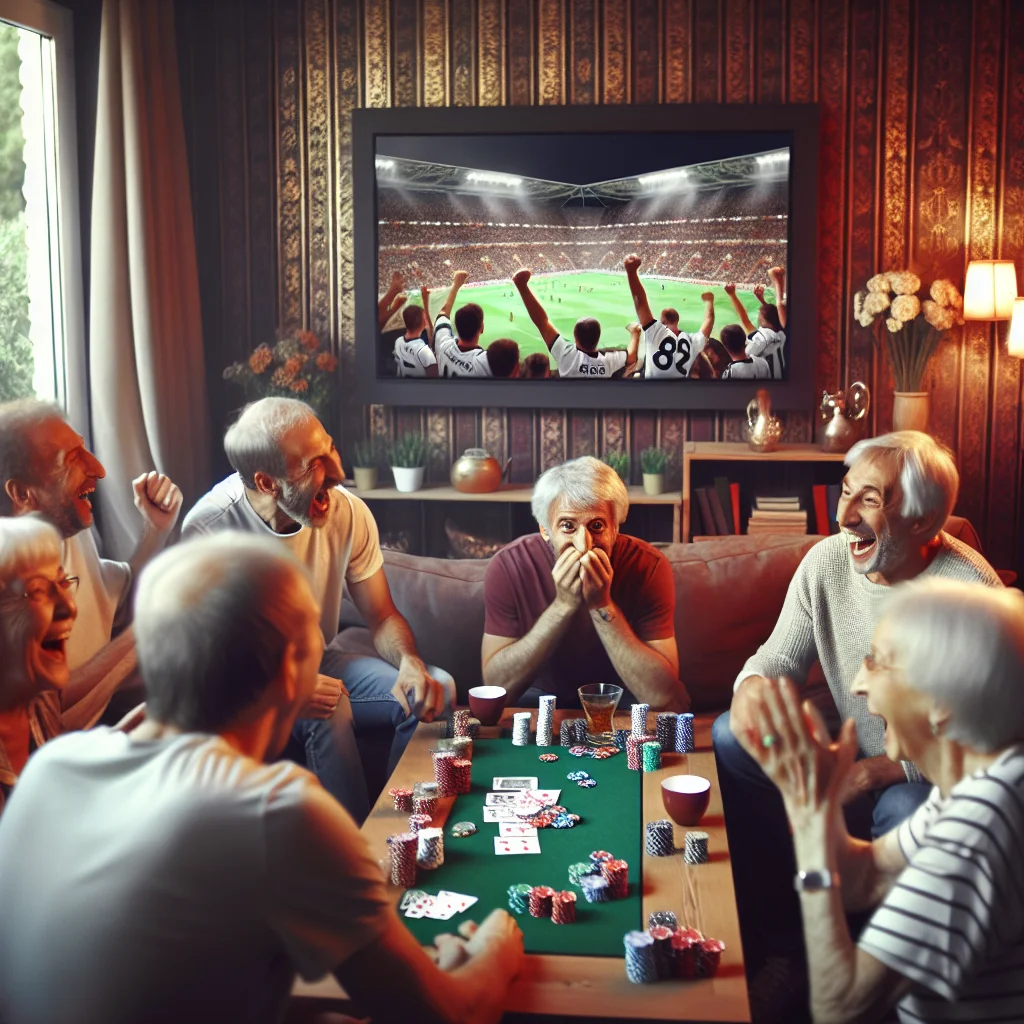
Gambling as a Social Glue: Beyond the Individual Wager
While the psychology of risk focuses on the individual mind, gambling behavior cannot be fully understood in isolation. It is woven into the social and cultural fabric of communities, acting as a ritual, a social lubricant, a marker of identity, and a transmitter of values. From office sweepstakes for the championship game to high-stakes mahjong games in familial gatherings, gambling often serves purposes far beyond financial gain. It facilitates bonding, establishes hierarchies, and reinforces group membership. The decision to gamble, the games chosen, the amounts wagered, and the meanings attached to winning and losing are all powerfully shaped by the social environment. Understanding these influences reveals why gambling prevalence and attitudes vary dramatically across different cultures, age groups, and social circles, and why interventions that ignore this social context are often ineffective.
Cultural Scripts: How Society Writes the Rules of the Game
Every culture possesses a “script” for gambling—a set of often-unspoken norms that dictate its acceptability, form, and symbolic meaning. In some cultures, like in parts of the UK or Australia, a bet on sports is a deeply ingrained social ritual, a normal topic of pub conversation. In others, it may be strictly taboo for religious or historical reasons. These scripts are learned from childhood through observation and participation. A child who sees family members buying lottery tickets as a harmless weekly habit, or who is given scratch cards as gifts, internalizes gambling as a normal, even festive, activity. Conversely, a child raised in a community where gambling is condemned as a moral failing learns a different script. These cultural narratives also define what constitutes “responsible” versus “problematic” play. Is losing a month’s salary at a casino a tragic addiction or an unfortunate but accepted risk for a high roller? The answer depends heavily on the cultural script one is following.
The Power of the Peer Group: Normalization and Social Proof
During adolescence and young adulthood, peer influence is a paramount force in initiating and normalizing gambling behavior. When friends are placing bets on mobile apps, participating in fantasy sports leagues with entry fees, or going to the racetrack, the activity becomes framed as a fun, social, and normative part of group membership. The psychological principle of “social proof”—where individuals look to the behavior of others to determine what is correct—is powerfully at work. If everyone in your social circle is doing it, it must be acceptable and low-risk. Peer groups can also establish their own micro-cultures around gambling, creating shared jargon, rituals, and status hierarchies based on perceived skill or daring. This social reinforcement can accelerate participation and increase the frequency of play, as the activity becomes a primary mode of social interaction and a source of shared stories and experiences.
Family Traditions and Intergenerational Transmission
The family unit is the primary site for the transmission of attitudes and behaviors related to gambling. This transmission can be direct or indirect. Direct transmission involves explicit participation, such as a family poker night, buying lottery tickets together, or placing bets for children at the racetrack. Indirect transmission occurs through observation: children witnessing parents gambling, discussing odds, or reacting to wins and losses. Research shows a strong correlation between parental gambling and the likelihood of offspring gambling. This is not solely genetic; it is profoundly environmental. Families that use gambling as a primary form of recreation, celebrate big wins prominently, or use gambling as an emotional coping mechanism model these behaviors as valid life strategies. Conversely, families that discuss the risks openly and model alternative forms of entertainment and stress relief can foster resilience against problematic use, even within a permissive broader culture.
Gender Roles and Social Expectations
Gambling has historically been, and in many contexts remains, a gendered activity. Traditional norms have often associated high-stakes, strategic gambling (like poker or sports betting) with masculinity, linking it to concepts of risk-taking, competitiveness, and financial prowess. These activities may be used to perform and affirm male identity within a group. Conversely, certain forms of gambling, like bingo or low-stakes slot machines, have been culturally coded as more feminine or socially acceptable for older women, often framed as a social outing rather than serious gambling. These social expectations influence not only who gambles but also how they gamble and how problems are perceived. A man losing significant money at poker may be seen as “unlucky” or a “risk-taker,” while a woman doing the same on slots may be more quickly labeled with a pathology. These stereotypes can create barriers to recognition and help-seeking for individuals who do not fit the expected profile.
The Online Social Sphere: Communities Without Geography
The digital age has created entirely new social ecosystems for gambling. Online poker forums, sports betting Discord channels, and casino streamer communities on Twitch and YouTube have formed vibrant, global subcultures. These platforms provide 24/7 social proof, normalization, and technical instruction. A novice can watch a popular streamer gamble thousands of dollars while chatting with thousands of like-minded viewers, making extreme behavior seem commonplace and exciting. These communities offer a sense of belonging and shared identity (“degens,” “grinders”) that can be especially appealing to individuals who feel isolated offline. The social reinforcement is constant and immediate, with chat rooms celebrating wins and rationalizing losses collectively. This can powerfully accelerate the development of gambling habits, as the activity is seamlessly integrated into one’s online social life, blurring the lines between entertainment, community, and commercial consumption in an unprecedented way.
Harnessing Social Forces for Harm Reduction
Recognizing the power of social influence opens avenues for more effective public health strategies. Instead of focusing solely on the individual, interventions can target the social environment. This includes community-level education campaigns that shift social norms, making conversations about gambling limits as acceptable as discussions about drink-driving. It involves engaging influential community leaders, sports figures, and social media personalities to model responsible behavior. For families, providing resources to talk to children about gambling, much like drug education, can break cycles of intergenerational transmission. Peer-led programs in schools and universities can empower young people to challenge risky norms within their own circles. Furthermore, fostering strong, non-gambling-related social connections and community activities provides alternative sources of bonding and identity. By understanding that gambling is often a social behavior responding to social needs, we can work to create communities where those needs are met in healthier, more sustainable ways, leveraging the very same social fabric that can sometimes enable harm to instead weave a net of support and prevention.