A Complex Psychological Dance: More Than Just a Game
The relationship between gambling and mental health is not a simple case of cause and effect; it is a intricate, bidirectional interplay where each can significantly influence the other. For many, gambling is a harmless form of entertainment, a social activity with defined limits. For others, it becomes a compulsive behavior that intersects powerfully with underlying psychological conditions, often exacerbating them or creating new mental health challenges. Understanding this connection is crucial, as it moves the conversation beyond moral judgment into the realm of public health and clinical psychology. It reveals gambling disorder not as a failure of willpower, but as a behavioral addiction with deep roots in brain circuitry, emotional regulation, and co-occurring conditions like depression, anxiety, and substance use disorders. This exploration sheds light on why some individuals are more vulnerable and how the pursuit of chance can become a maladaptive coping mechanism with serious consequences.
Gambling as Self-Medication: The Escape Hatch Hypothesis
A prominent theory in clinical psychology is that for a significant subset of individuals, problematic gambling begins as a form of “self-medication.” People experiencing symptoms of depression, anxiety, trauma, or chronic stress may be drawn to gambling as a powerful, albeit temporary, escape. The immersive nature of the activity—the intense focus required, the sensory stimulation, the altered state of “flow”—can provide a short-term respite from negative thoughts, painful memories, or feelings of emptiness. The biochemical rollercoaster of anticipation and reward can artificially elevate mood, mimicking the effects of a stimulant. In this context, gambling is not primarily about money; it is about mood modulation. The individual learns that placing a bet can alleviate psychological distress, reinforcing the behavior through negative reinforcement (the removal of an unpleasant state). This creates a dangerous cycle where gambling is used to cope with the very problems it often worsens, such as financial strain and relationship breakdowns, which in turn increase psychological distress, leading to more gambling.
Co-occurring Disorders: The Rule, Not the Exception
Research consistently shows that Gambling Disorder rarely exists in isolation. High rates of co-occurrence, or comorbidity, are the norm. Studies indicate that over 70% of individuals with a gambling problem have a co-occurring mental health condition. The most common associations are with mood disorders like major depression and bipolar disorder (particularly during manic phases characterized by impulsivity and grandiosity), anxiety disorders (including generalized anxiety, social anxiety, and PTSD), and substance use disorders. There is also a notable link with Attention-Deficit/Hyperactivity Disorder (ADHD), where impulsivity and reward-seeking behavior are core symptoms. This comorbidity suggests shared underlying vulnerabilities, such as dysregulation in the brain’s reward and impulse control systems, genetic factors, or common environmental triggers. Treating gambling disorder effectively often requires simultaneously addressing these co-occurring conditions, as untreated depression or anxiety can sabotage recovery efforts and drive relapse.
The Neurobiology of Addiction: Hijacked Reward Pathways
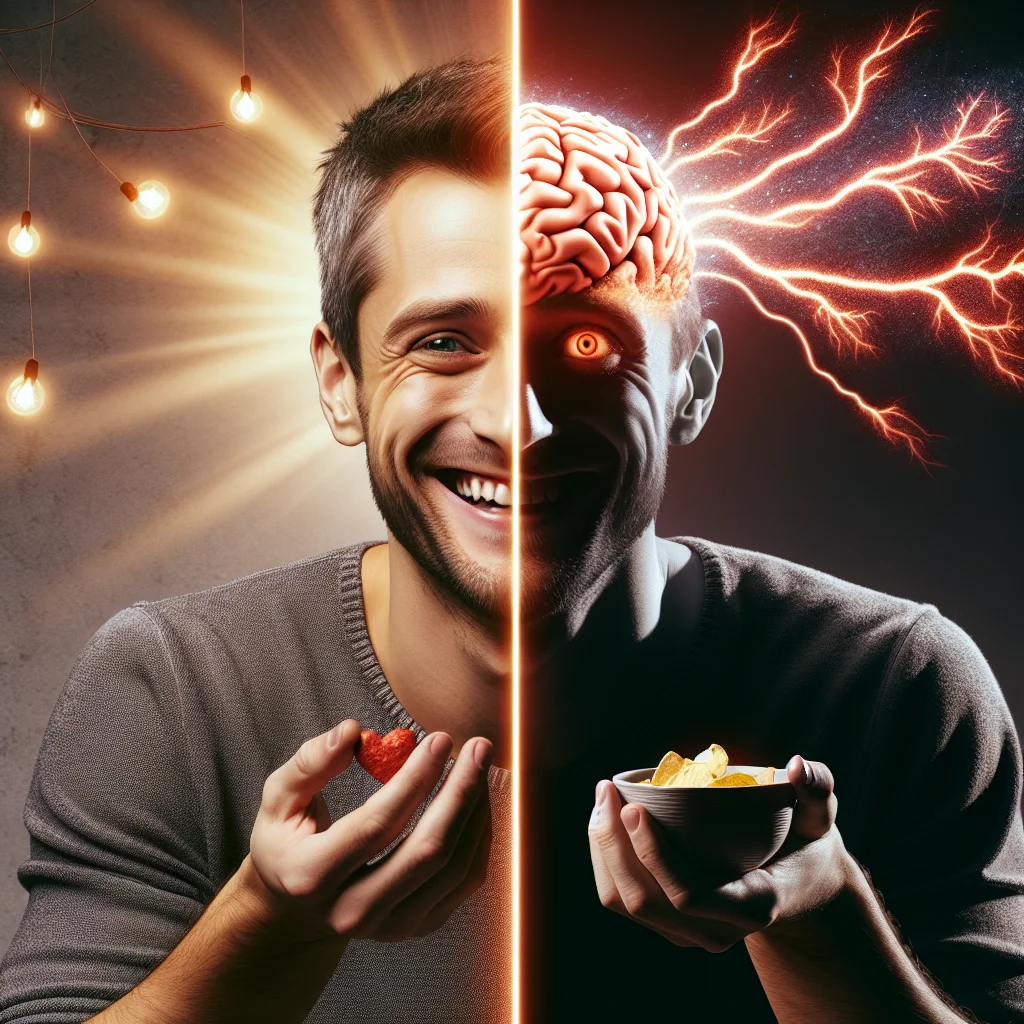
From a neurological perspective, Gambling Disorder shares striking similarities with substance addictions. Functional MRI scans show that during gambling cues or play, individuals with the disorder exhibit heightened activity in the brain’s ventral striatum and ventromedial prefrontal cortex—areas central to processing reward, motivation, and value. Simultaneously, there is often reduced activity in the prefrontal cortex regions responsible for executive functions: impulse control, decision-making, and weighing long-term consequences. This neural profile helps explain the compulsive nature of the behavior. The brain’s reward system is hypersensitive to gambling-related cues, screaming “GO!” while the braking system of impulse control is impaired. Furthermore, tolerance and withdrawal-like symptoms are observed. Over time, a person may need to gamble with larger amounts or more frequently to achieve the desired emotional effect (tolerance), and may experience irritability, restlessness, or dysphoria when attempting to stop (withdrawal). This confirms its classification as a behavioral addiction.
Personality Traits and Vulnerabilities
Certain pre-existing personality traits can increase vulnerability to developing gambling problems. High levels of impulsivity are a key risk factor, making it difficult to resist urges and consider long-term outcomes. Sensation-seeking, the desire for novel and intense experiences, aligns perfectly with the highs of gambling. Cognitive distortions, such as an illusion of control, belief in personal luck, or interpretative bias (seeing near-misses as wins), are more pronounced in problem gamblers. Additionally, traits associated with neuroticism—like emotional instability, proneness to stress, and negative affect—can make the escape offered by gambling more appealing. It is not that these traits cause gambling disorder, but they create a fertile ground where the behavior, once initiated, is more likely to take root and spiral out of control, especially in the absence of healthier coping skills and social support.
The Psychological Fallout: Shame, Isolation, and Suicidality
The mental health impact of problematic gambling extends far beyond the initial conditions that may have contributed to it. The consequences of gambling—mounting debt, broken trust, job loss, legal issues—generate immense psychological stress. This often leads to overwhelming feelings of shame, guilt, and self-loathing. Unlike substance addictions, the “evidence” of the problem is often hidden in financial records and secretive behavior, leading to a double life that exacerbates anxiety and isolation. Problem gamblers frequently withdraw from family and friends, both to hide their behavior and because social activities no longer provide the same level of arousal as gambling. This social isolation deepens depression. Tragically, rates of suicidal ideation and attempts are significantly higher among problem gamblers than in the general population. The perceived hopelessness of financial ruin and the collapse of one’s social identity can create a profound sense of despair, making this a critical area for crisis intervention and support.
Integrated Treatment: A Path to Recovery
Effective treatment for gambling disorder recognizes its interconnectedness with mental health. An integrated approach is essential. Cognitive Behavioral Therapy (CBT) is the gold-standard psychological treatment, helping individuals identify and correct the distorted thoughts (e.g., “I’m due for a win”) and behaviors (e.g., chasing losses) that fuel the cycle. It also builds skills for coping with urges and managing negative emotions without resorting to gambling. For those with co-occurring disorders, treatment must be concurrent. This may involve medication (like SSRIs for depression or anxiety, or mood stabilizers for bipolar disorder) alongside therapy. Motivational Interviewing can help resolve ambivalence about change. Furthermore, financial counseling and family therapy are often crucial components, addressing the practical and relational wreckage. Support groups like Gamblers Anonymous provide peer understanding and a framework for accountability, combating the isolation that sustains the problem.
Reframing the Narrative: From Stigma to Understanding
Moving forward, a societal shift in perspective is needed. Framing gambling problems purely as a moral failing or a simple lack of willpower is not only inaccurate but also harmful, reinforcing the shame that prevents people from seeking help. Recognizing it as a mental health condition with biological, psychological, and social dimensions reduces stigma and encourages a more compassionate, effective response. This includes public health campaigns that educate about the risks and signs of problem gambling, especially its link to mental health, and ensure that helplines and treatment services are visible and accessible. For the individual, understanding this complex relationship can be empowering. It allows them to see their behavior not as a personal flaw, but as a symptom of underlying distress and dysregulation—a problem that can be addressed with professional help, support, and new strategies for managing life’s inevitable uncertainties without relying on the dangerous escape of the bet.