A psicologia por trás dos streamers de cassino: o que leva o público brasileiro a assistir horas de apostas ao vivo
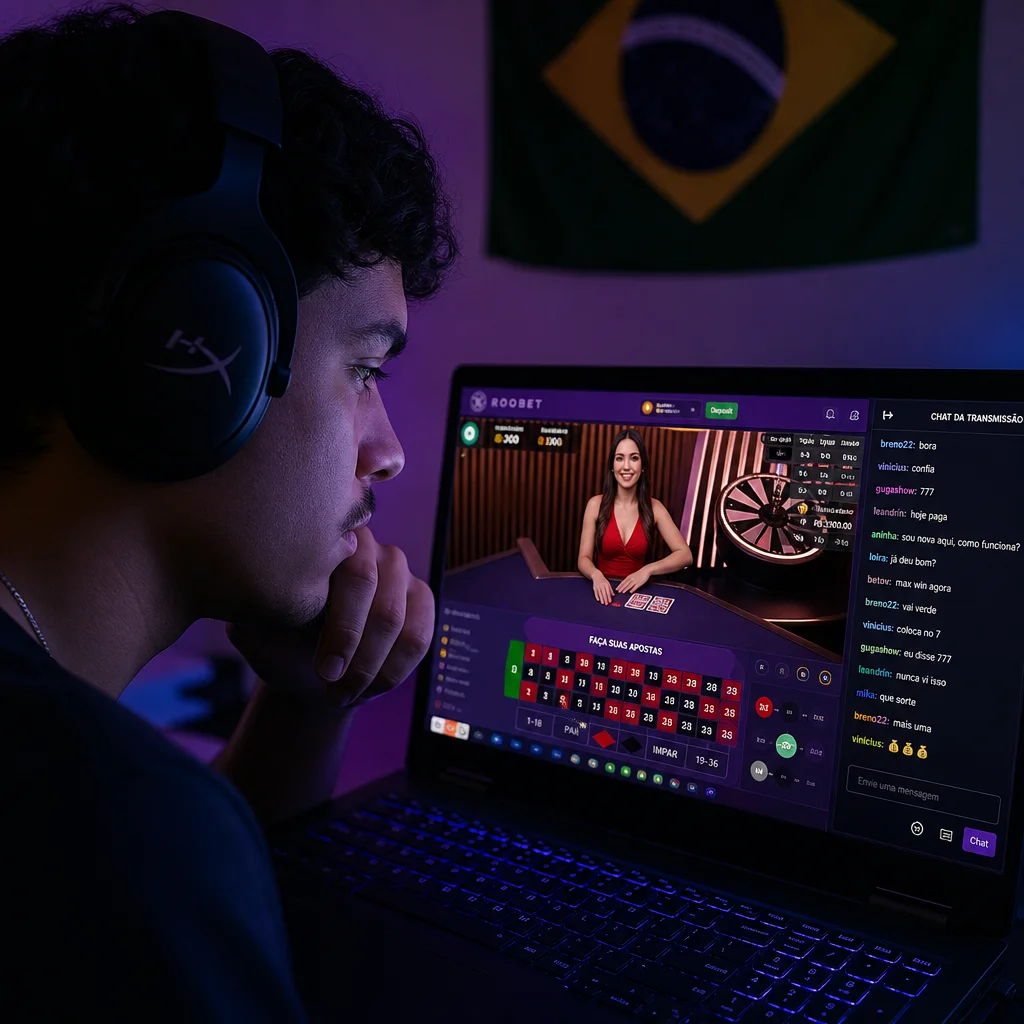
Existe algo curioso no comportamento de milhões de brasileiros que passam horas assistindo a streamers de cassino sem necessariamente apostar um único centavo. Por que alguém dedicaria tempo a acompanhar giros de slot, rodadas de roleta ou partidas de crash game? A resposta está em uma combinação fascinante de mecanismos psicológicos, dinâmicas sociais e características culturais que transformam essas transmissões em um dos formatos de entretenimento mais envolventes da internet. Entender essa psicologia é essencial para compreender não apenas o sucesso dos streamers de cassino, mas também os efeitos profundos que esse tipo de conteúdo exerce sobre a audiência.
O prazer da recompensa imprevisível
O cérebro humano é programado para responder a recompensas imprevisíveis. Esse princípio, conhecido como reforço intermitente variável, é a base de muitos comportamentos de consumo, desde redes sociais até jogos de azar. Quando um streamer gira um slot e o resultado é incerto, o espectador experimenta uma pequena descarga de dopamina a cada rodada, mesmo sem ganhar nada. É como assistir a uma loteria em tempo real, onde o resultado pode mudar tudo em segundos.
Essa imprevisibilidade mantém a atenção de forma quase hipnótica. O cérebro não consegue prever o que vai acontecer, e essa incerteza gera uma tensão prazerosa que só é resolvida no momento do resultado. Quando a vitória acontece, a sensação de recompensa é amplificada pela surpresa. Quando a derrota ocorre, o espectador permanece engajado na expectativa de que a próxima rodada será diferente. Esse ciclo se repete indefinidamente, criando um padrão de consumo difícil de interromper.
A emoção vicária e o alívio da responsabilidade
Assistir a um streamer de cassino permite que o espectador experimente a adrenalina das apostas sem arcar com as consequências financeiras. Esse fenômeno é chamado de emoção vicária: o público sente a tensão, a euforia e a frustração do jogo como se fossem suas, mas sem risco real. É uma forma segura de viver uma experiência intensa, algo que o cérebro humano valoriza profundamente.
Além disso, essa dinâmica elimina a culpa. Quando o streamer perde, o espectador não precisa se sentir responsável. Quando ganha, ele pode celebrar como se a vitória fosse compartilhada. Essa combinação de emoção intensa com ausência de consequências é um dos principais atrativos do formato e explica por que tantas pessoas preferem assistir a jogar.
O papel da identidade e da projeção
Outro aspecto psicológico fundamental é a projeção. Muitos espectadores se identificam com o streamer, vendo nele uma versão idealizada de si mesmos. O criador que arrisca alto, que celebra com intensidade e que enfrenta as perdas com bom humor encarna uma postura diante da vida que o público admira. Assistir a essas transmissões se torna, então, uma forma de vivenciar essa identidade por procuração.
Essa projeção também funciona no sentido inverso. Quando o streamer perde, o espectador sente empatia e se aproxima emocionalmente. Quando ganha, sente orgulho e alegria. Essa alternância de emoções cria um vínculo afetivo que fortalece a lealdade à comunidade e ao criador. Não é apenas entretenimento: é uma relação emocional construída ao longo do tempo.
A busca por pertencimento em um mundo fragmentado
Vivemos em uma era de isolamento social crescente, mesmo em meio à hiperconectividade digital. Nesse contexto, os chats ao vivo dos streamers de cassino funcionam como espaços de socialização onde as pessoas se sentem vistas e ouvidas. Elas comentam, reagem, criam apelidos, formam amizades. Para muitos, esse é o principal motivo de assistir.
O sentimento de pertencimento é uma necessidade humana básica, e as transmissões ao vivo oferecem uma versão acessível e imediata dele. Não é preciso sair de casa, não é preciso investir dinheiro, não é preciso enfrentar julgamentos. Basta entrar no chat e participar. Essa facilidade explica por que tantos espectadores retornam diariamente, mesmo quando o conteúdo em si é repetitivo.
O efeito do anonimato e da desinibição online
A internet permite um grau de anonimato que transforma o comportamento das pessoas. Nos chats de streamers de cassino, isso se manifesta de várias formas: comentários mais ousados, expressões emocionais intensas, brincadeiras que dificilmente aconteceriam em contextos presenciais. Esse fenômeno, conhecido como desinibição online, contribui para a sensação de liberdade e espontaneidade que caracteriza essas comunidades.
Para alguns espectadores, o chat se torna um espaço de catarse, onde podem expressar frustrações, celebrar vitórias e compartilhar momentos sem medo de represálias. Essa dimensão psicológica é frequentemente subestimada, mas é central para entender o engajamento duradouro que os streamers de cassino conseguem construir.
A influência das cores, sons e ritmos da transmissão
As transmissões de cassino são cuidadosamente desenhadas para estimular os sentidos. Cores vibrantes, sons de moedas, animações de vitória e uma trilha sonora constante criam um ambiente sensorial que ativa diretamente os circuitos de recompensa do cérebro. Esse design não é acidental: ele é pensado para maximizar o tempo de permanência e a intensidade da experiência.
O ritmo também importa. As transmissões alternam momentos de calma com explosões de emoção, criando uma cadência que mantém o espectador envolvido. Essa variação evita o tédio e mantém a atenção flutuando entre expectativa e satisfação. É uma coreografia emocional sofisticada, mesmo que pareça espontânea.
O viés de sobrevivência e a distorção da realidade
Um dos efeitos psicológicos mais discutidos é o viés de sobrevivência. Como as vitórias são mais compartilhadas e celebradas do que as perdas, o público tende a superestimar a probabilidade de ganhar. Essa distorção é reforçada pelos próprios streamers, que naturalmente destacam os momentos positivos e minimizam as sequências negativas.
O resultado é uma percepção distorcida da realidade das apostas, que pode levar a expectativas irreais e decisões financeiras impulsivas. Esse é um dos principais motivos pelos quais especialistas em saúde mental alertam para os riscos desse tipo de conteúdo, especialmente quando consumido por públicos jovens ou emocionalmente vulneráveis.
A comparação social e o desejo de status
Outro mecanismo psicológico relevante é a comparação social. Ver alguém ganhar dinheiro fácil ativa o desejo de alcançar o mesmo status. Esse desejo é amplificado pela cultura digital, que valoriza visibilidade, sucesso rápido e ostentação. Os streamers que exibem carros, viagens e prêmios altos alimentam esse imaginário e transformam a aposta em símbolo de sucesso.
Para parte do público, assistir a essas transmissões é uma forma de participar simbolicamente desse universo. Mesmo sem apostar, o espectador se sente conectado a uma realidade aspiracional, o que gera satisfação emocional e reforça o vínculo com o conteúdo.
O papel da esperança e da ilusão de controle
A esperança é uma das emoções mais poderosas do ser humano, e os streamers de cassino a exploram de forma magistral. Cada rodada carrega a promessa de que a próxima pode ser a grande vitória. Essa expectativa constante mantém o espectador engajado, mesmo diante de sequências longas de derrotas.
Além disso, muitos streamers cultivam a ilusão de controle, sugerindo que determinadas estratégias, horários ou escolhas podem influenciar o resultado. Embora isso não corresponda à realidade matemática dos jogos, essa crença reforça o envolvimento e a sensação de agência, tornando a experiência mais atraente e viciante.
Como o público brasileiro processa tudo isso
O público brasileiro, com sua cultura emocionalmente expressiva e sua familiaridade com o entretenimento digital, responde a esses estímulos de forma particularmente intensa. A mistura de carisma, emoção e comunidade que caracteriza os streamers de cassino encontra aqui um terreno fértil, onde a linha entre diversão e risco é constantemente negociada.
Compreender essa psicologia não significa justificar excessos, mas sim reconhecer a complexidade do fenômeno. Ao entender por que as pessoas assistem, é possível desenvolver conteúdos mais responsáveis, políticas mais eficazes e uma cultura digital mais consciente. O futuro dos streamers de cassino no Brasil dependerá, em grande parte, da capacidade de equilibrar emoção, entretenimento e responsabilidade.