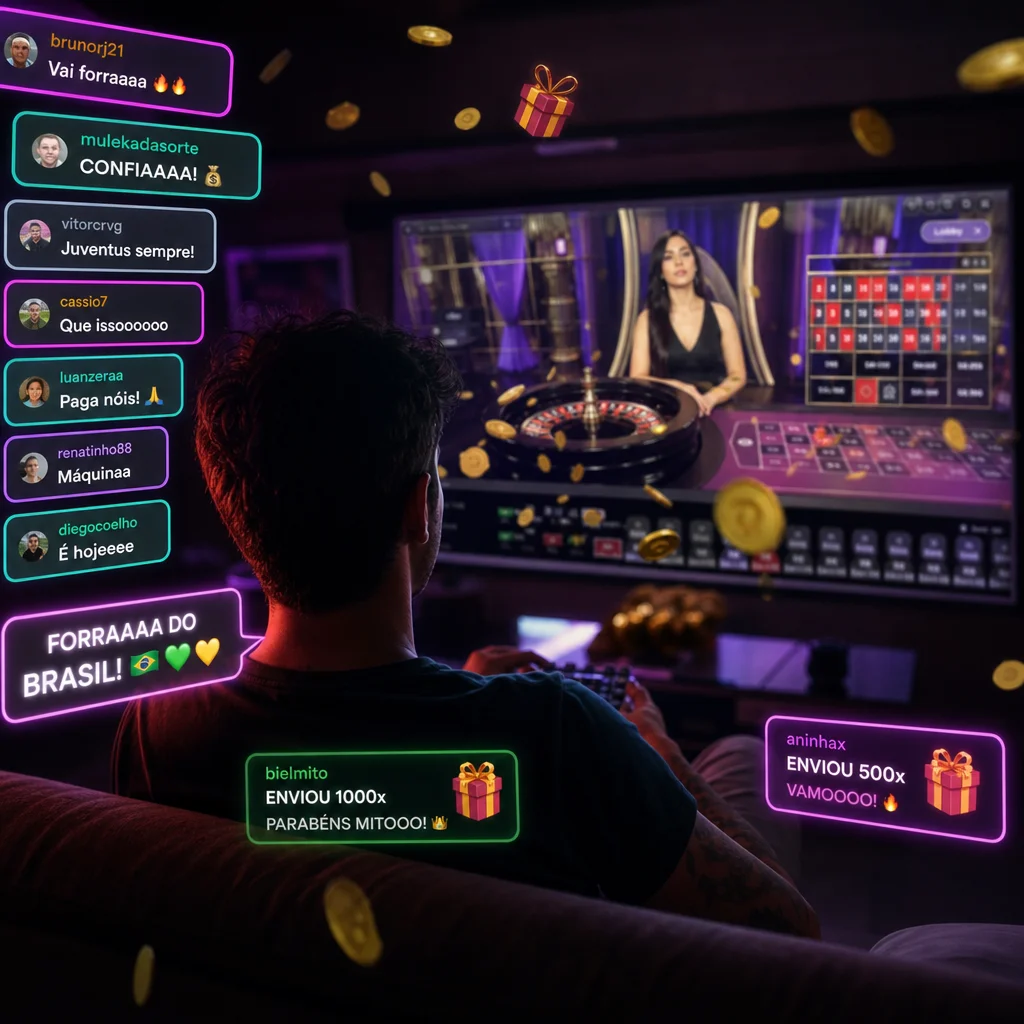
O fenômeno das doações em transmissões de cassino
Quem observa uma transmissão de cassino pela primeira vez pode se surpreender com um detalhe curioso: boa parte do dinheiro que circula naquele ambiente não vem das apostas em si, mas das doações enviadas pelos próprios espectadores. Pessoas que nunca giraram uma roleta ou puxaram uma alavanca decidem, espontaneamente, transferir valores para o streamer, muitas vezes acompanhados de mensagens, pedidos e desafios. Esse comportamento, à primeira vista irracional, revela camadas profundas da psicologia humana e da economia da atenção que sustentam o entretenimento digital contemporâneo.
As doações em streams de cassino não são um acidente ou uma anomalia. Elas constituem um sistema econômico paralelo, cuidadosamente cultivado por criadores de conteúdo e plataformas, que transforma espectadores passivos em participantes ativos de uma narrativa compartilhada. Entender por que as pessoas doam é entender como o valor simbólico, a emoção e o pertencimento se sobrepõem ao cálculo financeiro racional em ambientes digitais altamente estimulantes.
A busca por reconhecimento em um mar de anonimato
Um dos motores mais poderosos das doações é a necessidade humana de reconhecimento. Em transmissões com milhares de espectadores simultâneos, o chat se move em velocidade vertiginosa e a maioria das mensagens passa despercebida. Doar, porém, muda essa dinâmica instantaneamente. O streamer lê o nome do doador em voz alta, agradece, comenta a mensagem e, em muitos casos, dedica alguns segundos de atenção exclusiva àquela pessoa. Em um ambiente onde a atenção é o recurso mais escasso, esse momento de visibilidade tem um valor emocional difícil de mensurar.
Esse mecanismo se assemelha ao funcionamento das redes sociais, onde curtidas, comentários e compartilhamentos funcionam como moedas simbólicas de validação. A diferença é que, nas streams de cassino, essa validação é imediata, pública e personalizada. O doador não apenas recebe atenção: ele se torna, por alguns instantes, parte do espetáculo. Para muitos espectadores, essa experiência vale mais do que o valor financeiro desembolsado.
O papel da emoção compartilhada e da adrenalina coletiva
Assistir a uma transmissão de cassino é uma experiência emocional intensa. A cada rodada, a tensão se acumula, o chat reage em tempo real e a possibilidade de uma grande vitória mantém todos em estado de alerta. Quando um espectador doa, ele não está apenas transferindo dinheiro: está investindo emocionalmente naquele momento. A doação cria uma sensação de participação direta no resultado, como se o doador tivesse contribuído para a sorte do streamer.
Essa dinâmica se intensifica quando o streamer transforma a doação em parte do jogo. Alguns criadores usam os valores recebidos para fazer apostas extras, criar desafios ou cumprir promessas engraçadas. O doador, então, passa a se sentir coautor da narrativa, e a emoção da vitória ou da derrota se torna ainda mais pessoal. É uma forma de entretenimento interativo em que o espectador compra não um produto, mas uma experiência emocional compartilhada.
A economia da atenção e o valor percebido das doações
Do ponto de vista econômico, as doações em streams de cassino funcionam como um mercado de atenção. O espectador troca dinheiro por visibilidade, interação e pertencimento. Esse valor percebido varia enormemente de pessoa para pessoa e depende de fatores como o tamanho da audiência, o carisma do streamer e a cultura da comunidade. Em transmissões menores, uma doação modesta pode garantir minutos de conversa direta; em transmissões gigantescas, apenas valores altos conseguem destaque real.
Curiosamente, muitas plataformas incentivam esse comportamento por meio de rankings, badges e notificações especiais. Esses elementos gamificam a doação, transformando-a em uma competição simbólica entre espectadores. Quem doa mais aparece no topo, ganha status e, em alguns casos, acesso a benefícios exclusivos. Essa estrutura reforça a lógica de que o dinheiro não compra apenas atenção, mas também posição social dentro de uma comunidade digital.
Identidade, pertencimento e a construção de laços
Para muitos espectadores, doar é uma forma de afirmar identidade. Ao apoiar um streamer específico, a pessoa sinaliza seus gostos, valores e afinidades. Em comunidades de nicho, esse gesto funciona como uma declaração de pertencimento: “eu faço parte deste grupo, eu apoio esta pessoa, eu compartilho desta cultura”. Esse sentimento é particularmente forte em transmissões de cassino, onde a audiência costuma desenvolver linguagem própria, rituais e referências internas.
Além disso, as doações podem fortalecer laços entre espectadores. Muitas vezes, quem doa recebe mensagens de outros membros do chat, criando interações que transcendem a relação com o streamer. Com o tempo, essas conexões podem se transformar em amizades reais, especialmente em comunidades pequenas e coesas. Nesse contexto, a doação deixa de ser um gasto individual e se torna um investimento em relações sociais significativas.
Quando a doação se torna problemática
Apesar de seu papel central na economia das streams, as doações também apresentam riscos. Em um ambiente altamente estimulante, onde a emoção e a pressão social se combinam, alguns espectadores podem gastar mais do que deveriam. A busca por reconhecimento, a vontade de participar e o desejo de pertencer podem levar a decisões financeiras impulsivas, especialmente entre pessoas mais jovens ou emocionalmente vulneráveis.
Streamers responsáveis têm adotado medidas para mitigar esses riscos, como limitar valores de doação, desativar rankings competitivos e promover mensagens de consumo consciente. Essas iniciativas, embora ainda não sejam universais, sinalizam uma crescente conscientização sobre o impacto social dessas práticas. O público, por sua vez, tem demonstrado valorizar posturas éticas, o que sugere que a sustentabilidade do modelo depende diretamente da capacidade de equilibrar entretenimento e responsabilidade.
O futuro das doações em transmissões de cassino
Olhando para o futuro, é provável que as doações continuem sendo um pilar central das streams de cassino, mas com formatos cada vez mais sofisticados. Realidade aumentada, integração com criptomoedas e sistemas de recompensa personalizados podem criar novas formas de engajamento, aproximando ainda mais o público da experiência de participação. Ao mesmo tempo, a evolução regulatória e o amadurecimento do debate público sobre apostas provavelmente moldarão o comportamento dos espectadores e dos criadores de conteúdo.
O que parece certo é que as doações revelam algo profundo sobre a natureza humana: a disposição de gastar não apenas por bens materiais, mas por emoção, reconhecimento e pertencimento. Compreender essa dinâmica é essencial não apenas para quem atua no setor, mas para todos que buscam entender como o entretenimento digital transforma a forma como nos relacionamos com o dinheiro, com a atenção e com os outros.