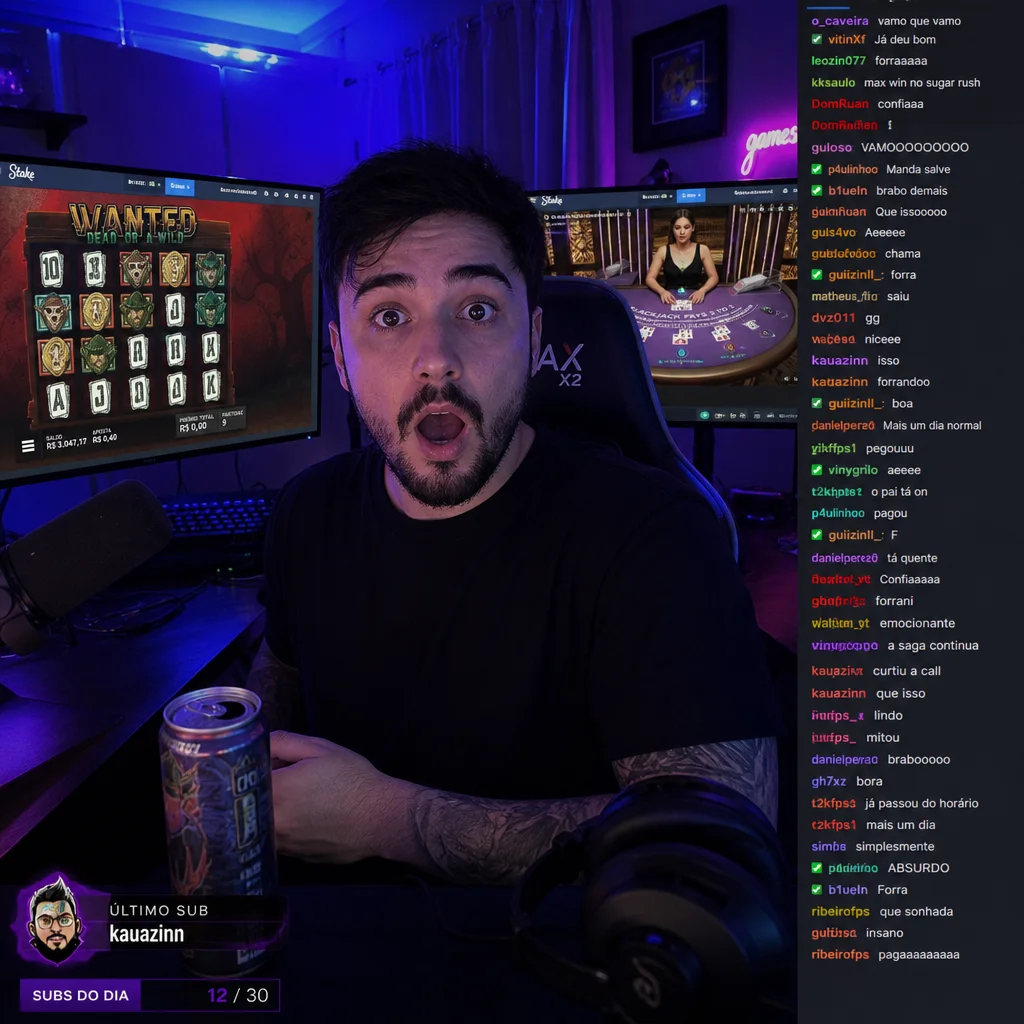
Streamers de cassino: como o público brasileiro percebe e consome esse fenômeno
Nos últimos anos, uma nova categoria de criadores de conteúdo ganhou espaço nas plataformas de transmissão ao vivo: os streamers de cassino. Diferente dos tradicionais streamers de jogos eletrônicos, esses criadores dedicam suas transmissões a slots, roletas, blackjack, crash games e outras modalidades de apostas online. O fenômeno cresceu de forma acelerada no Brasil, especialmente após a popularização de plataformas como Twitch, YouTube e Kick, além do aumento expressivo do mercado regulamentado de apostas no país. Mas como o público brasileiro realmente percebe esses streamers? O que atrai milhões de espectadores para acompanhar alguém girando um slot por horas? E quais são as tensões éticas, culturais e emocionais envolvidas nesse consumo?
O que são streamers de cassino e por que eles cresceram tanto
Streamers de cassino são criadores de conteúdo que transmitem sessões de apostas ao vivo, geralmente em plataformas de cassino online. Eles interagem com o chat, reagem a grandes vitórias e derrotas, compartilham estratégias e, em muitos casos, utilizam bônus oferecidos por casas de apostas em parcerias comerciais. O crescimento desse nicho está diretamente ligado a três fatores principais: a explosão do mercado de iGaming no Brasil, a cultura de transmissões ao vivo já consolidada entre o público jovem e a busca por entretenimento rápido, emocionante e acessível.
Diferente de um jogo tradicional, onde o espectador acompanha uma narrativa ou habilidade técnica, o cassino ao vivo oferece algo mais visceral: a imprevisibilidade. Cada giro pode resultar em uma perda ou em um prêmio enorme. Essa montanha-russa emocional é o combustível que mantém a audiência engajada. O streamer se torna uma espécie de protagonista de uma história que ninguém sabe como vai terminar, e o público assiste justamente para descobrir o desfecho.
A estética da transmissão e o apelo visual
As transmissões de cassino têm uma estética própria. Luzes neon, sobreposições coloridas, contadores de ganhos e perdas, animações de vitória e uma trilha sonora constante criam uma atmosfera quase hipnótica. Esse visual não é acidental: ele é pensado para prender a atenção e estimular a dopamina tanto do streamer quanto do espectador. O público brasileiro, acostumado com a linguagem vibrante das redes sociais, responde bem a esse formato.
Além disso, muitos streamers investem em cenários elaborados, câmeras de alta qualidade e até convidados especiais. A transmissão deixa de ser apenas sobre o jogo e passa a ser um show. Há música, piadas internas, memes, bordões e uma comunidade que se reconhece. Esse senso de pertencimento é um dos principais motivos pelos quais os espectadores retornam diariamente.
O papel do chat e da comunidade
O chat é o coração de qualquer transmissão ao vivo, e nos streams de cassino ele ganha uma função ainda mais intensa. Os espectadores comentam cada rodada, torcem por multiplicadores altos, criam apelidos para os streamers, compartilham superstições e celebram vitórias coletivamente. Em muitos casos, o chat funciona como uma torcida organizada, vibrando a cada bônus ativado e lamentando a cada sequência de perdas.
Essa dinâmica cria uma sensação de comunidade. Mesmo quem nunca apostou se sente parte de algo maior, como se estivesse participando de um evento esportivo. O streamer, por sua vez, alimenta essa relação ao responder mensagens, cumprimentar seguidores frequentes e criar rituais. A interação constante transforma a experiência passiva de assistir em uma atividade social.
Por que o público assiste mesmo sem apostar
Uma das perguntas mais frequentes sobre esse fenômeno é: por que alguém assistiria a um stream de cassino sem apostar? A resposta envolve vários fatores psicológicos e culturais. Primeiro, há o entretenimento puro. Ver alguém arriscando grandes quantias gera uma emoção vicária, semelhante à de assistir a um filme de ação ou a uma partida de futebol decisiva. O espectador sente a adrenalina sem colocar dinheiro em jogo.
Segundo, existe o fator aspiracional. Muitos streamers exibem ganhos altos, viagens, carros e um estilo de vida luxuoso. Para parte do público, acompanhar essas transmissões é uma forma de fantasiar sobre uma vida diferente. Terceiro, há o componente informativo: alguns espectadores buscam entender como funcionam os jogos, quais slots pagam mais, quais estratégias são usadas e como funcionam os bônus. Mesmo que não apostem imediatamente, eles acumulam conhecimento para uma eventual participação futura.
A tensão ética e as críticas ao formato
Nem tudo é celebração. Os streams de cassino enfrentam críticas constantes de psicólogos, educadores financeiros e autoridades. A principal preocupação é o impacto sobre públicos vulneráveis, especialmente jovens e pessoas com histórico de compulsão por jogos. A facilidade de acesso, combinada com a imagem glamourizada das vitórias, pode criar expectativas irreais sobre a probabilidade de ganhar.
Outro ponto sensível é a transparência. Muitos streamers recebem patrocínio de casas de apostas e utilizam links de afiliados, o que levanta dúvidas sobre a imparcialidade do conteúdo. Quando um criador afirma que determinado jogo “está pagando bem”, há um conflito de interesses evidente. Parte do público percebe isso e cobra mais clareza, enquanto outra parte simplesmente ignora o aspecto comercial e consome o conteúdo como entretenimento puro.
A percepção do público brasileiro em diferentes faixas
O público brasileiro não é homogêneo. Entre os mais jovens, de 18 a 25 anos, os streams de cassino são vistos como uma forma moderna de entretenimento, próxima da cultura de games e de influenciadores digitais. Já entre os espectadores de 26 a 40 anos, há uma mistura de curiosidade, ceticismo e interesse financeiro. Muitos acompanham para entender o mercado, avaliar oportunidades ou simplesmente relaxar após o trabalho.
Há também uma divisão regional e socioeconômica. Em regiões onde a cultura de apostas já é mais presente, como em algumas áreas urbanas, o consumo é mais naturalizado. Em outras, ainda existe estigma, e muitos espectadores preferem assistir de forma anônima, sem compartilhar nas redes sociais. Esse comportamento mostra que, apesar do crescimento, o tema ainda carrega tabus.
O impacto cultural e a normalização das apostas
Um dos efeitos mais discutidos é a normalização das apostas entre o público jovem. Quando um influenciador popular transmite cassino diariamente, o comportamento deixa de parecer arriscado e passa a ser visto como algo comum, quase inofensivo. Essa familiaridade pode reduzir a percepção de risco e aumentar a experimentação.
Por outro lado, defensores do formato argumentam que o mesmo acontece com álcool, jogos eletrônicos ou esportes radicais. A questão central não seria proibir, mas educar. A discussão sobre jogo responsável, limites de gastos e sinais de dependência ganhou espaço nas próprias transmissões, com alguns criadores promovendo pausas, lembretes e conteúdos educativos.
Como os streamers constroem credibilidade
Para manter a audiência, os streamers precisam construir credibilidade. Isso envolve consistência, transparência e autenticidade. Criadores que escondem perdas ou exageram ganhos costumam ser rapidamente desmascarados pelo público, que hoje é mais atento e compartilha informações em fóruns e redes sociais. A confiança é a moeda mais valiosa nesse mercado.
Além disso, muitos streamers diversificam o conteúdo. Intercalam cassino com jogos casuais, reações a vídeos, desafios e conversas com a comunidade. Essa estratégia reduz a dependência de um único nicho e amplia o alcance, atraindo espectadores que talvez nunca tenham apostado.
O futuro dos streams de cassino no Brasil
Com a regulamentação do mercado de apostas no Brasil, o cenário tende a mudar. Novas regras de publicidade, exigências de licenciamento e restrições de patrocínio podem impactar diretamente os streamers. Ao mesmo tempo, a demanda por conteúdo continua alta, e o público parece cada vez mais acostumado com esse formato.
O futuro provavelmente trará uma divisão mais clara entre criadores profissionais, que seguem normas rígidas e investem em conteúdo responsável, e criadores independentes, que operam em zonas cinzentas. A percepção do público também deve evoluir, com maior consciência sobre riscos e maior exigência de transparência.
Conclusão
Os streamers de cassino se tornaram uma parte relevante da cultura digital brasileira. Eles combinam entretenimento, emoção, comunidade e aspiração em um formato que prende a atenção e gera engajamento intenso. Ao mesmo tempo, levantam questões importantes sobre ética, publicidade, dependência e responsabilidade. Entender como o público percebe esse fenômeno é essencial para compreender não apenas o mercado de iGaming, mas também as transformações mais amplas na forma como consumimos conteúdo, lidamos com risco e construímos relações digitais. O debate está apenas começando, e o público brasileiro, como sempre, será protagonista dessa história.